
AI Capacity · Data Center Power
Senate Energy Bill Could Make Data Centers Compete for Power
The Senate's energy bill affirms states can award scarce power by benefit to other ratepayers, not by queue order. It now goes to the House.
· 3 min read
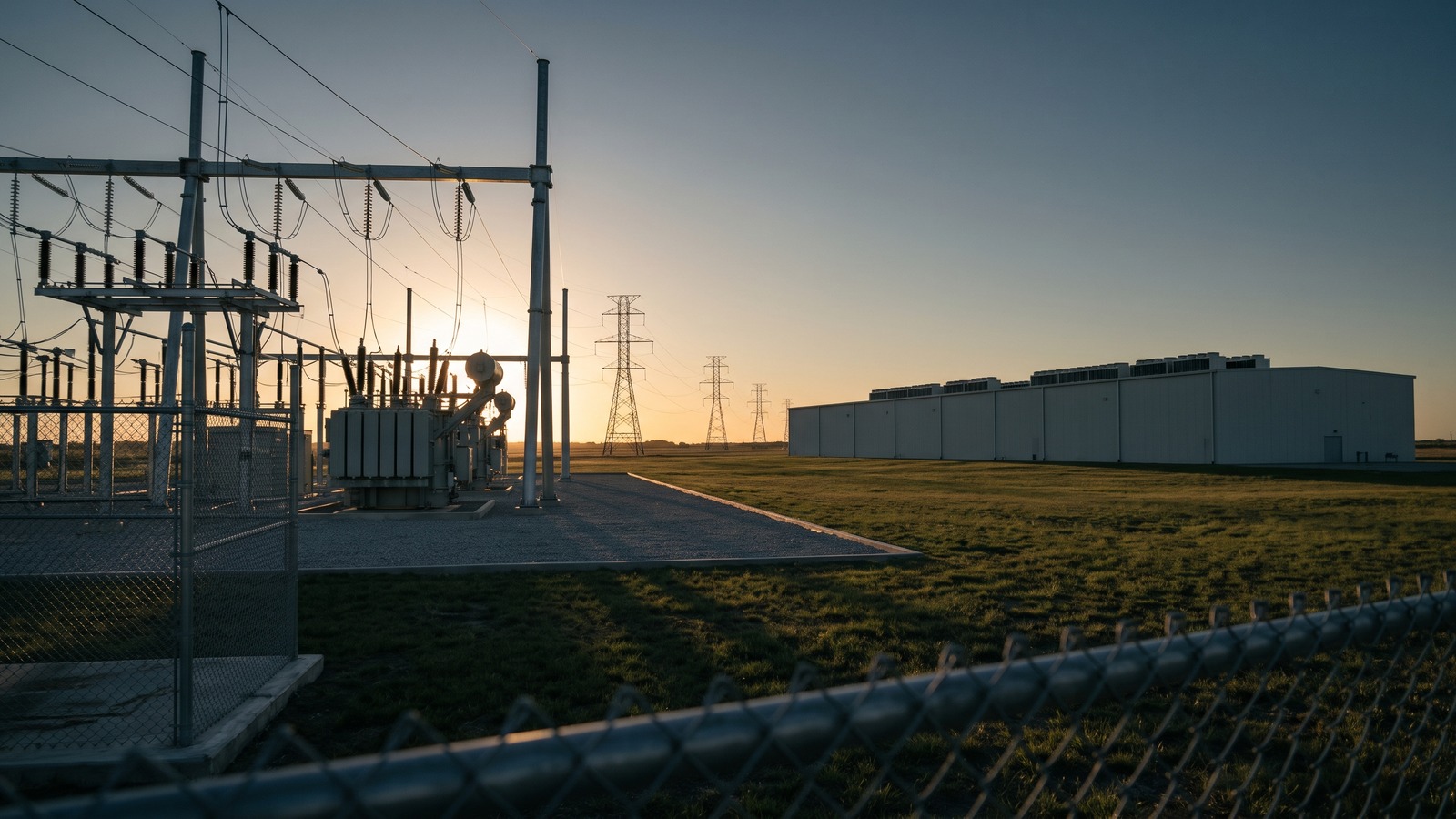
The Senate passed the Bipartisan American Affordability and Jobs Act of 2026, 62-33, on Nov. 19, a bill that would also make data centers pay more of the grid costs they cause.
The bill would not create a national auction. It would affirm authority states already hold, so each state decides whether to use it. In a state that does, an early place in a utility’s service queue could count for less than what a project offers other ratepayers, and that changes how a company sequences the sites in its capacity plan.
What would states be able to do?
Under Section 2107, states could run competitive solicitations or open seasons to award electric service, ranking projects by the financial benefit they bring other ratepayers, measured in net present value. They could also set up a separate customer class for data centers, give it less favorable terms than factories receive, and tie service to commitments to secure new generation or accept limits on grid withdrawals. A project that queued early could lose ground to a rival that offers other ratepayers more.
Who pays for the grid?
For data centers that connect after the bill becomes law, other utility customers would be shielded from the added cost of serving those facilities. Utilities could require financial assurances or contributions before building, and service agreements would keep cost recovery in place even if a data center stops buying power early. The bill also directs the Federal Energy Regulatory Commission to revise its transmission pricing policy so the data center loads it covers carry a share of existing transmission costs plus the added costs they cause.
Grid Strategies, a power sector consultancy, estimated in a Nov. 2 analysis that the transmission pricing changes in the earlier version of the bill could collect $55 billion from data centers over ten years, $35 billion more than current policy would.
The bill would also open wholesale markets to qualifying aggregations of batteries, fuel cells and generators on the customer’s side of the meter. Each resource must fall between 5 kilowatts and 5 megawatts, so the provision is not a blanket right for a hyperscale data center’s power plant to sell into the grid.
What happens in the House?
House Speaker Mike Johnson has said he will first try a fast-track procedure that needs two-thirds of the House and bars amendments, and move to a simple-majority rule if that fails. House Majority Leader Steve Scalise endorsed the package, while Democratic Leader Hakeem Jeffries has called for more House input on the Senate text. Any House change would send the bill back to the Senate, which would stretch the timeline for states and developers.
The House is set to take up the bill after its Thanksgiving recess in 2026. Which of the company’s planned sites sit in states that could adopt this authority?