
AI Capacity · Data Centers
Texas Holds 56% of the US Data Center Capacity Facing a Governor's Pause
Cleanview counts 88.4GW in Texas, four times Ohio. The state's audit reports land Dec. 10.
· 3 min read
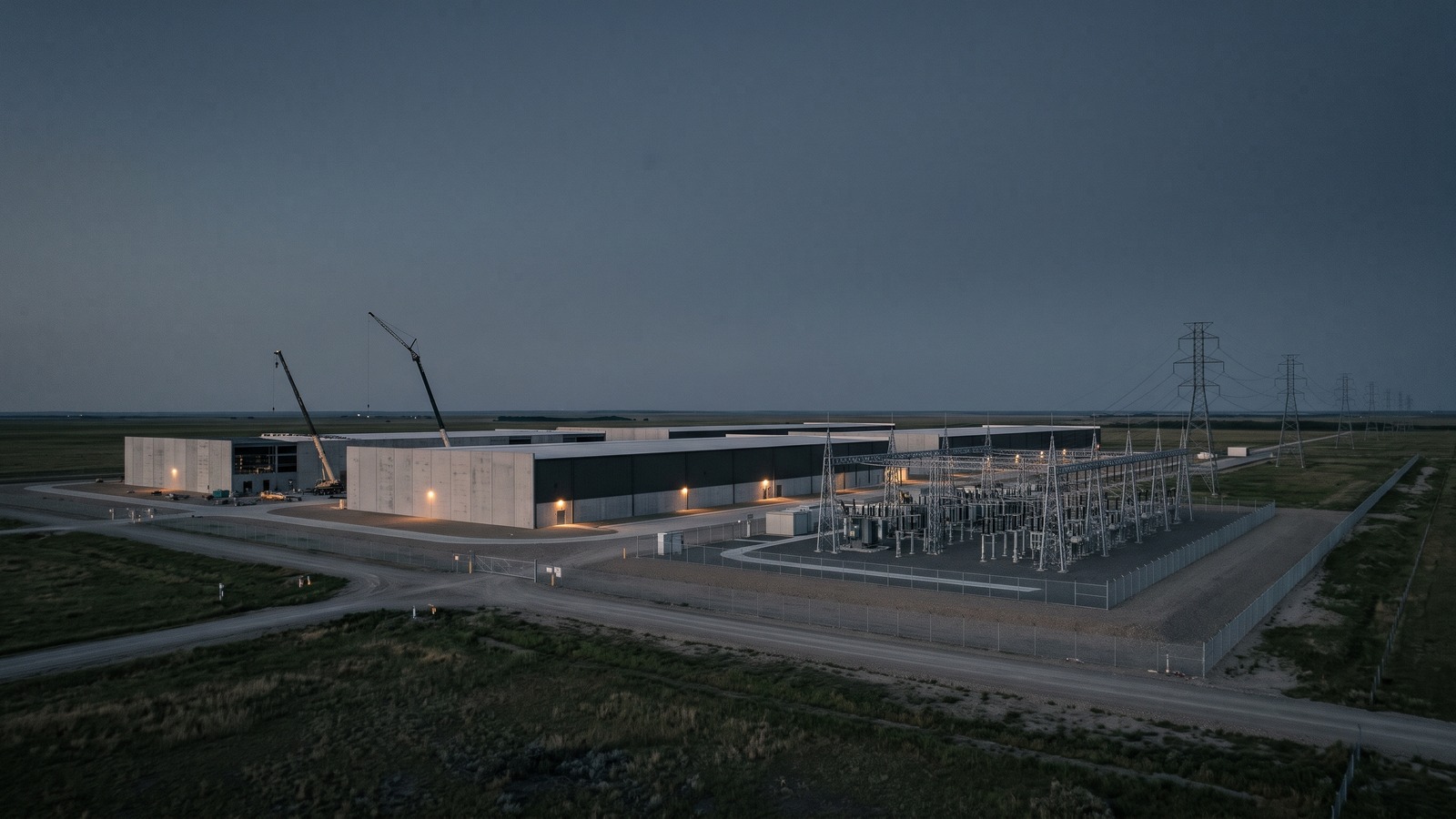
Texas carries most of the 158.6GW of planned US data center capacity, 41% of the national pipeline, that Cleanview places in nine states where a governor or governor-elect has promised or imposed a pause.
No new Texas data center can be approved until an audit that Governor Greg Abbott ordered is finished, his office said. Cleanview expects the election to extend the pause he began in August, which leaves planned capacity in the state waiting on the audit and on the governor-elect.
Why is Texas different?
Abbott directed the Public Utility Commission of Texas and the Electric Reliability Council of Texas (ERCOT), the state’s grid operator, on Aug. 3 to audit every data center moving through the grid-connection process. No new data centers would be approved until the audit was done, he said. On Sept. 21 he told the Texas Commission on Environmental Quality to halt all data center permits until ERCOT completes the audit.
Governor-elect Gina Hinojosa wants a longer freeze. In her campaign she called for a moratorium on any new data centers and any approvals “until we can pass laws to protect Texans,” Cleanview noted. Republicans still hold the state Senate 19-12, so any lasting rules on data centers will need a deal with them.
What does the number leave out?
The 158.6GW is planned capacity, not capacity that is built or under construction. Cleanview says the 56.7GW under construction nationwide is less exposed, because the pledges aim at projects that have not started building. Another 69.2GW, 18% of the pipeline, sits in states where the candidate who won the Nov. 3 election wants to change tax breaks or other rules but has not backed a pause.
OpenAI shows how uneven the exposure is. Cleanview said all of its planned pipeline sits in states where a new governor backed a pause. In Georgia, Effingham County tabled the site plan for OpenAI’s 3.2GW Project Camellia until Nov. 17. In New Mexico, Governor-elect Deb Haaland pledged a day-one executive order for a moratorium, and she wrote that OpenAI’s Project Jupiter, whose gas plant still awaits an air permit, would “not exist” under her.
ERCOT tracks about 474GW of large-load connection requests, roughly 90% of them data centers, and its audit covers 362 large projects in its first study group. A facility that fails “must be denied,” Abbott said.
What happens Dec. 10?
By Dec. 10, ERCOT plans to file two reports with the Public Utility Commission of Texas: one on whether each large project in its first group of connection studies is eligible, and one on how data centers affect their communities. ERCOT has paused connecting new large data centers to the grid until both are complete.
ERCOT will set the final list of projects in that first group from the audit results in December. Cleanview says the full effect of the pauses will be known only when state legislatures meet in 2027.