Physical AI · Robotaxis
Uber's Robotaxis Lose the Safety Driver Ahead of 2027 Launch
Uber and Nuro are testing driverless Lucid Gravity SUVs on Bay Area streets. Rides for employees come next, before a paid robotaxi service in early 2027.
· 2 min read
- UBER
- LCID
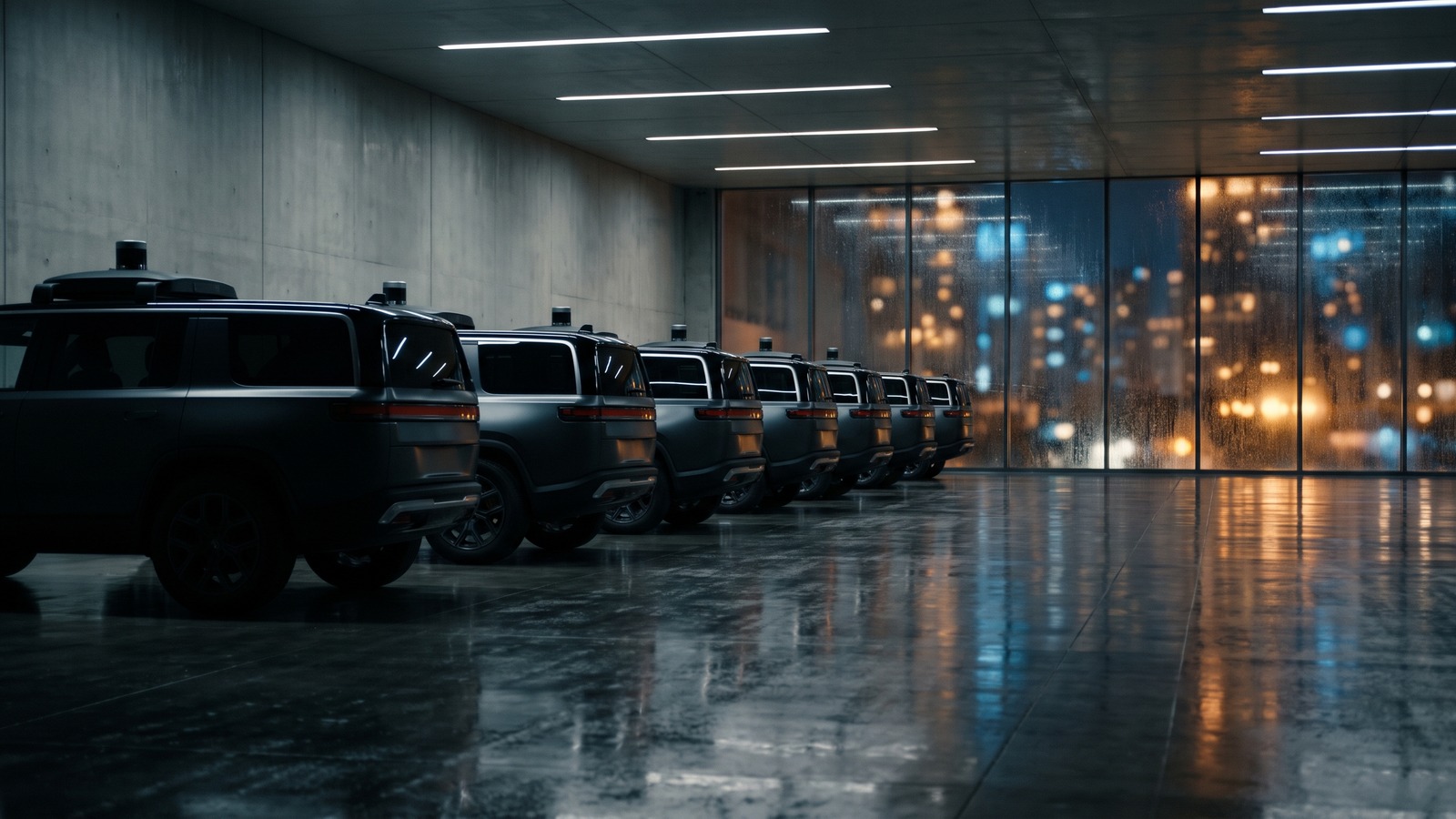
Nuro, Lucid and Uber began driverless testing in Palo Alto, Mountain View, Los Altos and Sunnyvale, and the robotaxi launch they planned for 2026 has slipped to early 2027.
Any plan that counts on a premium robotaxi in Uber’s app now rests on a date the partners have already moved once. Driverless testing is one hurdle among several: as of May, Nuro still needed a driverless ride-hailing permit from the California Public Utilities Commission and a deployment permit from the state Department of Motor Vehicles before Uber could launch.
What changed on the road?
The safety driver is gone from the Gravity SUVs in four cities. Nuro had been cleared to take that step since May, when the California DMV granted it a driverless permit, and it spent nearly a year before that testing the vehicles with a safety operator on board. Nuro supplies the driving system, Lucid builds the SUV, and Uber will own and operate the fleet and design how riders interact with the car.
Next come rides for employees, which the companies said will start soon without giving a date. Lucid said it expects to start building the first vehicles for the commercial fleet within weeks at its Arizona factory. The partners plan to add other Bay Area cities in 2027.
How big is the bet?
Uber announced the program in July 2025 with a plan to deploy 20,000 or more Lucid vehicles over six years. Uber initially agreed to invest $300 million in Lucid, a figure that has since grown to $500 million, and its purchase commitment has grown to at least 35,000 vehicles, including at least 10,000 Gravity SUVs and 25,000 built on Lucid’s upcoming midsize platform.
Against that order, the test fleet is small. Lucid had delivered 75 vehicles to Nuro and Uber by May, and the partners’ engineering fleet reached 100 autonomous vehicles and is growing as Lucid builds the first production versions. The 100-vehicle test fleet is less than 1% of the 35,000 vehicles Uber has agreed to buy.
How does Waymo compare?
Waymo carries paying riders in San Francisco, which is not among the four test cities. Lucid has said its service will launch first in the Bay Area, so the Gravity will arrive in a market where a rival already sells driverless rides.
What comes after the Bay Area?
Nuro co-CEO Dave Ferguson said in an interview that Nuro expects Uber to take over remote assistance and monitoring of the vehicles once the service opens to the public. Houston follows, with a launch planned for 2027 and testing there still run with safety operators on board.
Does a company’s travel or fleet plan still hold if Uber’s Bay Area launch moves past March 2027?