
AI Capacity · Data Center Permitting
Voters Turned Against Data Centers in Dozens of Local Ballots. OpenAI Is Reportedly Dropping Its NDAs.
Texas governor-elect Gina Hinojosa, who beat Greg Abbott, campaigned on restricting data centers.
· 2 min read
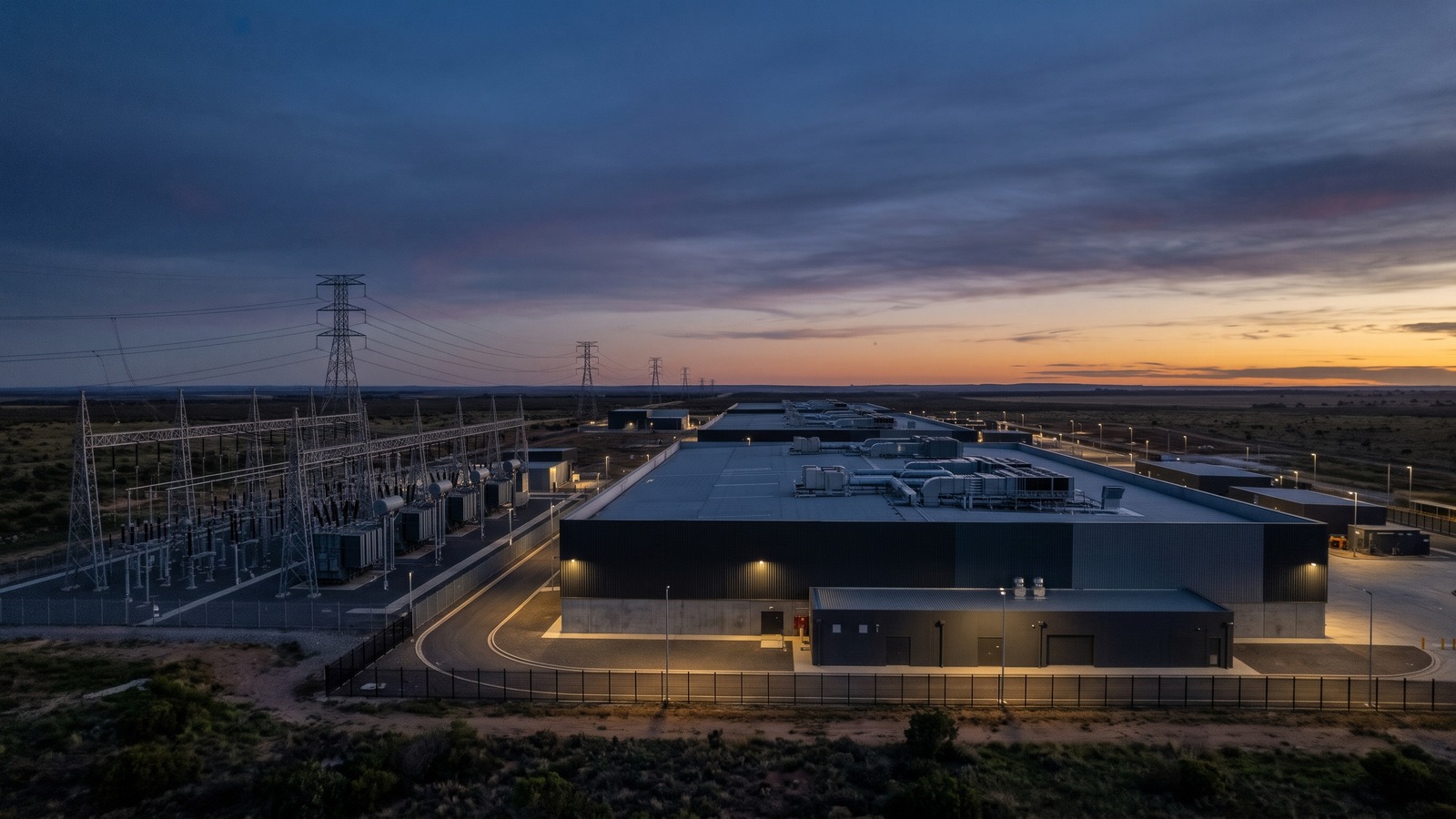
OpenAI will pay the full electricity and grid costs of future campuses it owns and operates, and will not use nondisclosure agreements with public officials there, according to a published report.
A capacity plan that counted on a county approving a campus on the builder’s schedule now has to price a local vote, a possible state pause and a power bill the builder pays in full. Voters raised the first two in dozens of ballot measures and governor’s races, and OpenAI’s pledge puts the third in writing.
What did voters decide?
Sunbury, Ohio, voted 79% to 21% to ban data centers above 25 megawatts after a $2 billion campus was proposed there. Grove City, Ohio, voted 55% to 45% to require a public vote on any project above 20 megawatts. Most of the measures set limits rather than outright bans.
Gina Hinojosa became the first Democrat elected Texas governor since 1990, and she wants construction paused until lawmakers pass new rules. Gov. Greg Abbott had already paused new grid connections for data centers, and Georgia’s incoming governor, Keisha Lance Bottoms, has also called for a pause.
What did OpenAI commit to?
OpenAI’s National Community Compact also requires financial guarantees before major spending begins, so other utility customers are not left with the bill if a project is delayed or canceled, the report said. Each campus is to get a water plan, and its electricity and water use, noise studies and job forecasts are to be published. The nondisclosure pledge keeps narrow protections for security information and commercial secrets.
A companion blueprint asks lawmakers to write similar terms into law for every large developer. Local deals already follow that logic: at the planned Effingham County campus in Georgia, Georgia Power could cut the campus’s power by up to 1,000 megawatts at peak demand.
Did the vote drive the pledge?
OpenAI did not say it did. Chris Lehane, its chief global affairs officer, said the blueprint had been in the works since August and builds on community commitments the company made in January.
Bridget Bean, a former director of the Cybersecurity and Infrastructure Security Agency, called data centers “an accelerant, not the engine” of the election results, and said she expects delays from the pauses. If she is right, the pauses move a campus’s start date while the compact moves the bill for the grid.
Would a capacity plan hold if every host community asked for the terms OpenAI now offers?