AI Treasury · Coding Model Pricing
Cognition's SWE-2 Flash Costs One-Fifth as Much as SWE-2. Its Weights Stay Private.
Its exploit-benchmark score jumped to 34.8% from 11.3%. Weights go only to trusted partners.
· 3 min read
- NVDA
Cognition priced its new SWE-2 Flash coding model at a fifth of SWE-2 and says it runs three times as fast, but it is withholding the weights it built on Thinking Machines Lab’s open model.
Cognition says smaller models now handle a significant share of the work software agents do, such as code review and documentation. If the price gap holds per task, moving that work to Flash cuts its cost 80%. The catch is control: a company that wants to run the model on its own servers cannot get the weights yet.
How close does Flash come to SWE-2?
Close, but not level. Flash scored 20.0% on Terminal-Bench 4.0, a coding benchmark, against 27.3% for SWE-2 when Cognition launched the bigger model in September. By The Denominator’s arithmetic, Flash delivers about 73% of SWE-2’s score for 20% of the price.
The models start from different bases. SWE-2 is built on Kimi K3, which has 2.8 trillion parameters. Flash starts from Inkling-Small, which has 276 billion parameters and uses 12 billion of them for each token. Cognition gave it an extra round of training on a few trillion tokens of scientific articles, blogs and code, then its usual reinforcement learning. The finished model scored 24.0% on FrontierCode 2.0, a second coding test, up from the base model’s 3.2%.
The saving has yet to reach a bill, because Flash is free in Devin through Nov. 30. Devin’s $20-a-month Pro plan includes free use of SWE-2 and bills extra usage at the rates for direct model access.
Why are the weights private?
Cognition tied the decision to what it trained Flash to do. It targeted cybersecurity work in training “to help defenders,” and Flash’s score on ExploitBench, a cybersecurity benchmark, more than tripled. Attackers can use the same skills, the company said, citing a recent surge in cyberattacks.
So Cognition is holding the weights back from a public release. It is building a program to share them securely with trusted industry partners and research labs, and it has not yet published who will qualify or on what terms.
What can a buyer run in-house?
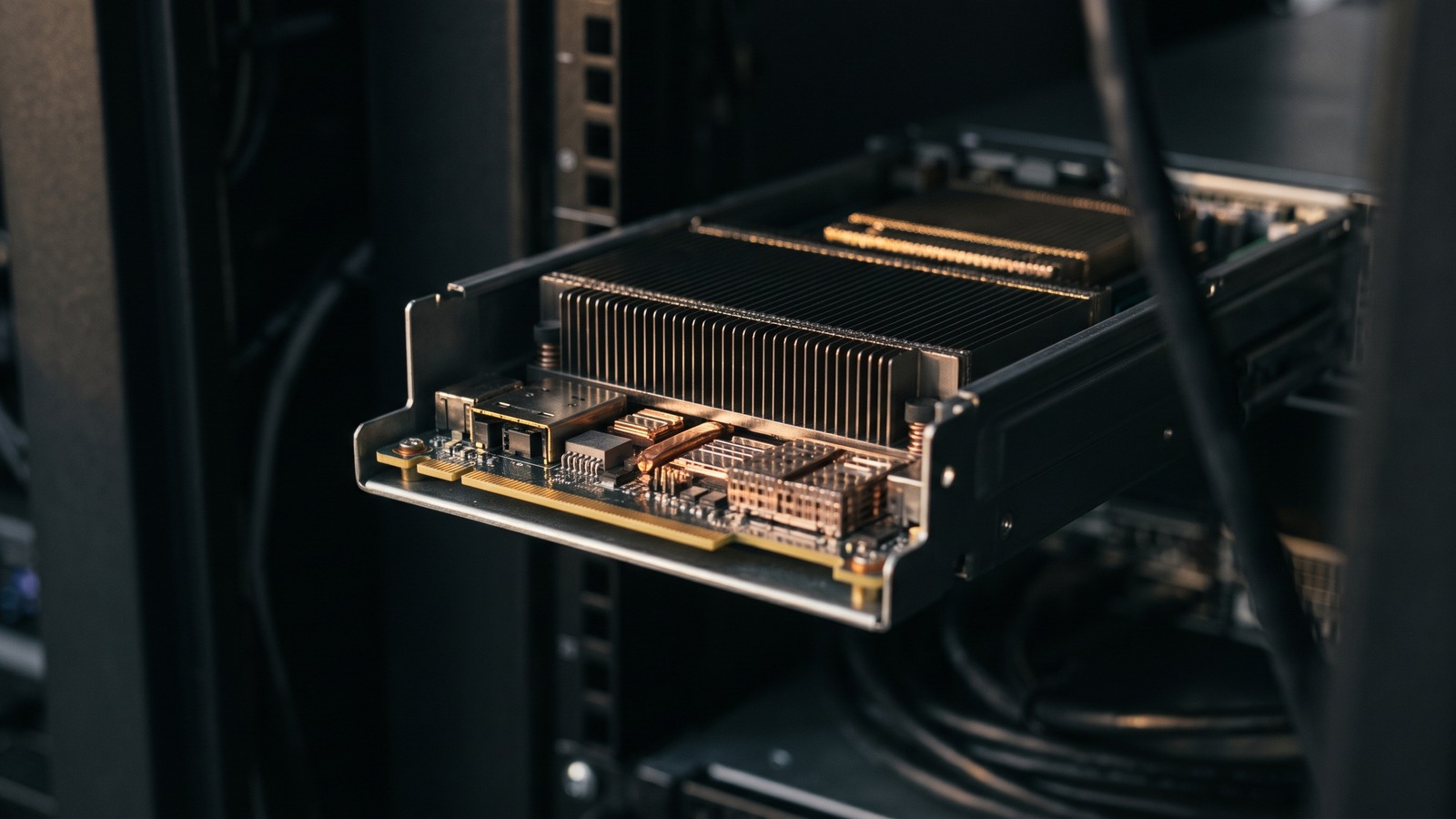
Cognition says enterprises and governments doing sensitive work need to host and control models on their own infrastructure, including on-premises. The base model already allows that. Thinking Machines released Inkling-Small in July under the Apache 2.0 license, with weights anyone can download, and its model card says a compressed version runs on a single Nvidia B300 GPU.
What a buyer cannot host is Cognition’s work on top of that base. That training took Inkling-Small’s Terminal-Bench 4.0 score to 20.0% from 0.9%, and for now Flash is available in Devin’s desktop app and command-line tool.
The test for an engineering budget: how much of the company’s routine coding work could move to a cheaper model, and how much of it has to stay on the company’s own servers?