
AI Treasury · Data Center Politics
After Democratic Midterm Wins, Microsoft and Amazon Rose 6% and CoreWeave Fell 10%
Texas governor-elect Gina Hinojosa has proposed a statewide moratorium on new data center permits.
· 2 min read
- MSFT
- AMZN
- CRWV
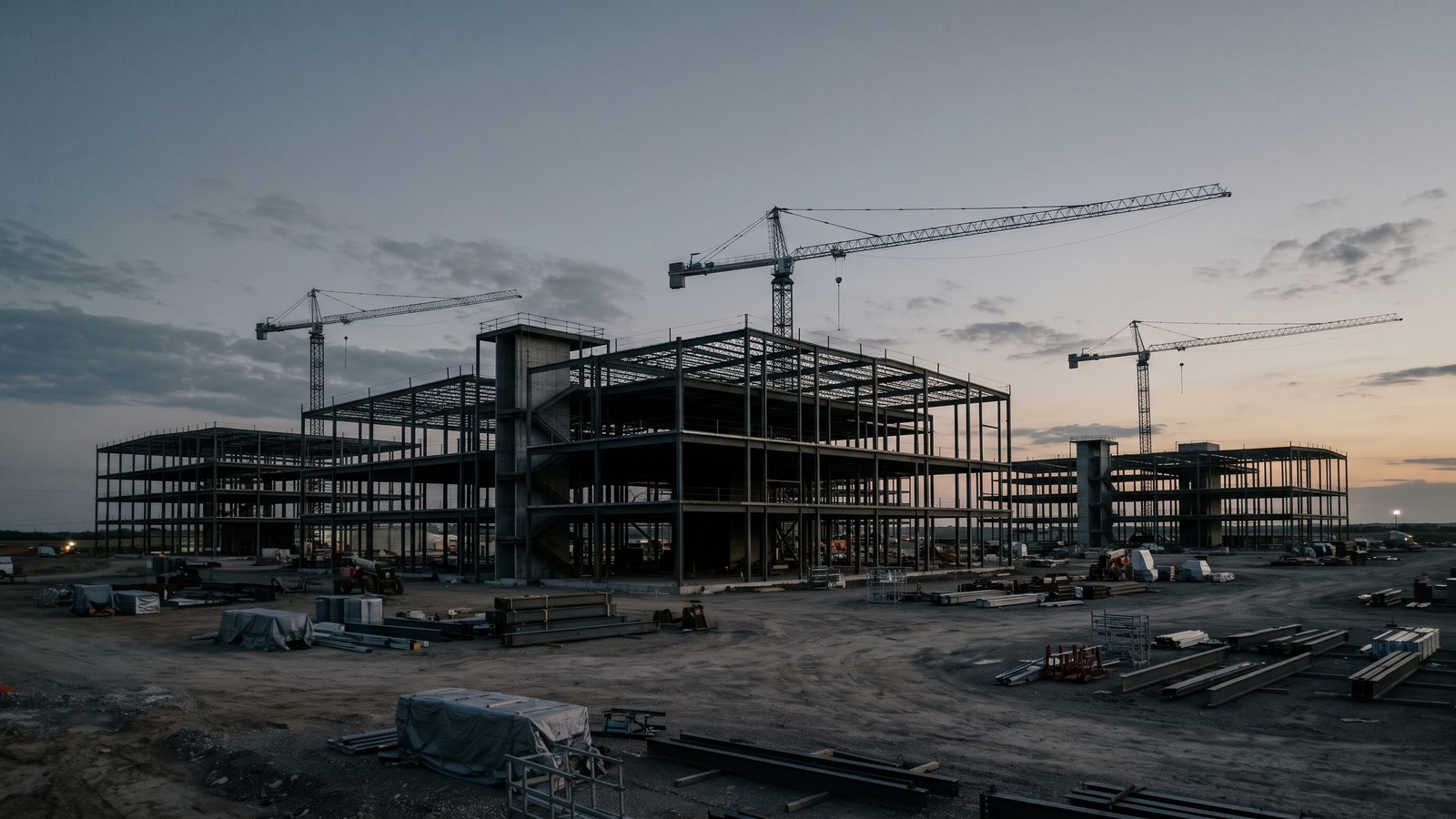
Democratic midterm wins split the AI cloud trade: the largest cloud providers gained, while CoreWeave, which rents out AI computing power, fell. One winner, Texas governor-elect Gina Hinojosa, has pledged to halt data center approvals.
Hinojosa has pledged a halt, not enacted one, yet investors already sold the companies that need new sites. What a Texas pause would do to the prices in CoreWeave’s capacity contracts, or to what it pays for new financing, is still open.
What has Hinojosa proposed?
Hinojosa, who unseated Gov. Greg Abbott, has vowed to ban all data center approvals until the Legislature passes laws that give communities a say. In July she asked Abbott to impose a moratorium by executive order until lawmakers return in January.
A moratorium would reach only new projects, according to Nancy Sims, a political science lecturer at the University of Houston. A governor cannot repeal permits already granted right away, she said, but Hinojosa can change who runs the agencies that issue them. That leaves projects still awaiting approval exposed.
Why did the cloud giants gain?
Microsoft closed up 6.7% and Amazon 6.1%. Investors bet that curbs on new construction would cement the large cloud companies’ hold on scarce computing power and ease strained cash flows, according to a published report. Large cloud companies plan to spend more than $740 billion on capacity, up from roughly $400 billion the year before.
“The hyperscalers already have data centers, so those assets are more valuable now because there’s not going to be an overbuild,” said Art Hogan, chief market strategist at B. Riley Wealth. Applied Digital and Iren, smaller AI cloud companies expanding on borrowed money, fell between 6% and 13%.
What happened to CoreWeave’s borrowing?
CoreWeave’s shares dropped 9.9%. Its notes due in 2031 reportedly traded as low as 79.5 cents for each dollar of face value, and its notes due in 2030 and 2032 traded at yields above 15%, which is what investors demand to hold them.
In The Denominator’s reading, yields that high point to what new borrowing would cost CoreWeave. How that reaches the price of its capacity has not been said.
When would a halt bite?
Later than the trading suggests. TrendForce said the impact centers on 2028 and beyond since most 2027 projects are underway, and that more than half of the hyperscaler capacity not yet started sits in states where it sees a high risk of delay. SemiAnalysis estimates that Texas will supply nearly 30% of US data center capacity coming online in 2028.
A buyer of neocloud capacity can ask whether its contract price holds if CoreWeave’s bonds keep trading at yields above 15% when Texas lawmakers return in January.